

We are an interdisciplinary academic research lab in the field of HCI
Accessibility menu

milab
Human-Computer Interaction Research and Prototyping Lab
milab

We research the future of human interaction with innovative technologies by building prototypes and studying their impact on human behavior and society at large. Our research groups include: Social Robots, Ethics & Design, and Wearables for Well-being. Our research is published in top HCI conferences and journals.


Research Groups
-

Social Robots
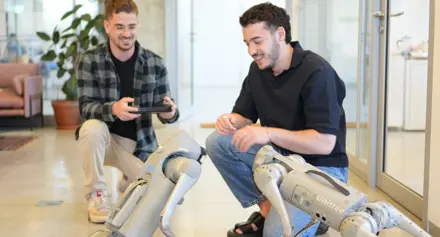
Led by Prof. Hadas Erel Researching the impact of human robots interaction.
-
Ethics & Design
Led by Dr. Noa Morag Exploring how digital products can be developed responsibly and aligned with human values.
-

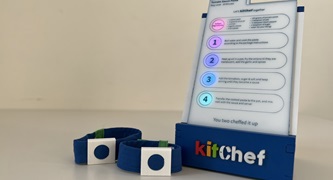
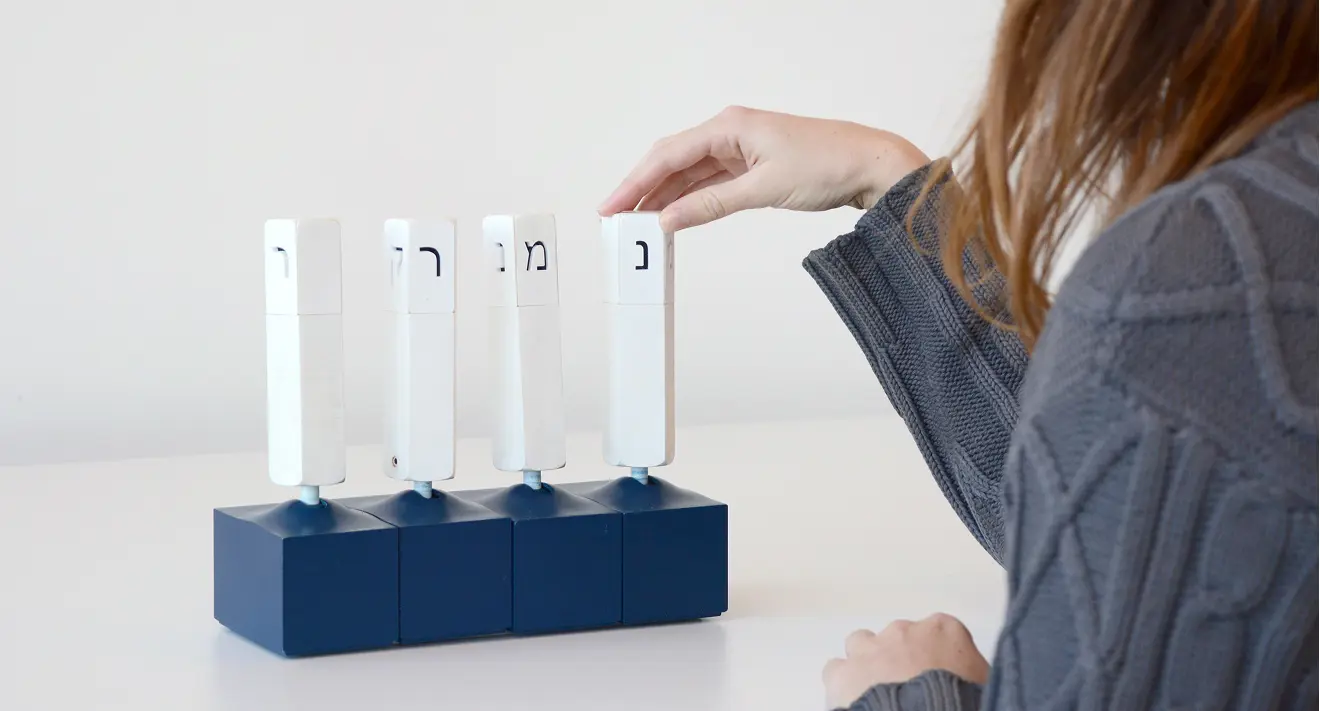
Wearables for Well-being
Led by Prof. Oren Zukerman Researching novel interactive experience that promotes introspection of physical, mental, and cultural processes.
-

Publications
milab publishes in leading HCI conferences and journals, including CHI, HRI, DIS, TEI, RO-MAN, Human-Computer Interaction Journal, Computers and Human Behavior, International Journal of Social Robotics, and more.

Study HCI
-

HCI for BA Students
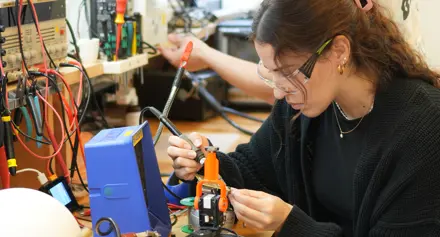
BA students specializing in HCI at the School of Communication, along with outstanding students from Computer Science, Psychology, Entrepreneurship, and Business, are invited to join milab. Students gain hands-on experience in product design and research while applying HCI theories and methodologies.
-

MA in HCI
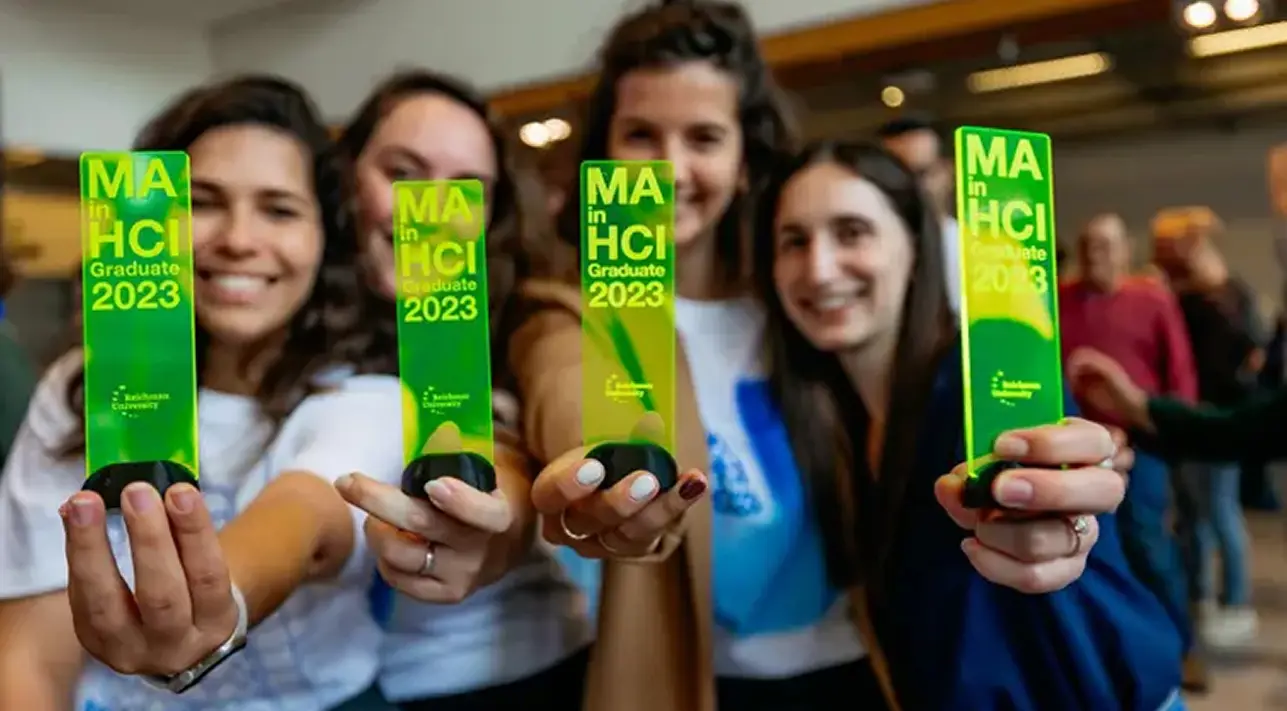
MA in HCI is a transformative degree, providing students the methodologies and skills required to lead user-centered products in technology companies, interactive experiences in design companies, and cutting-edge research in academic and industry innovation labs.
-

PhD
We invite outstanding students from diverse disciplinary backgrounds to apply to our doctoral program. Research topics include HCI various domains such as tangible user interfaces, smart materials, social non humanoid robots, and ethics.