
“Nekudot Zchut” (Credit)
A joint program for prisoners and students on social and economic rights

A unique collaboration with the Israel Prison Service, this program, the only one of its kind in Israel, has been operating since 2018. In its framework, 20-30 participants, approximately half of them students and half of them prisoners, study together.

About the program


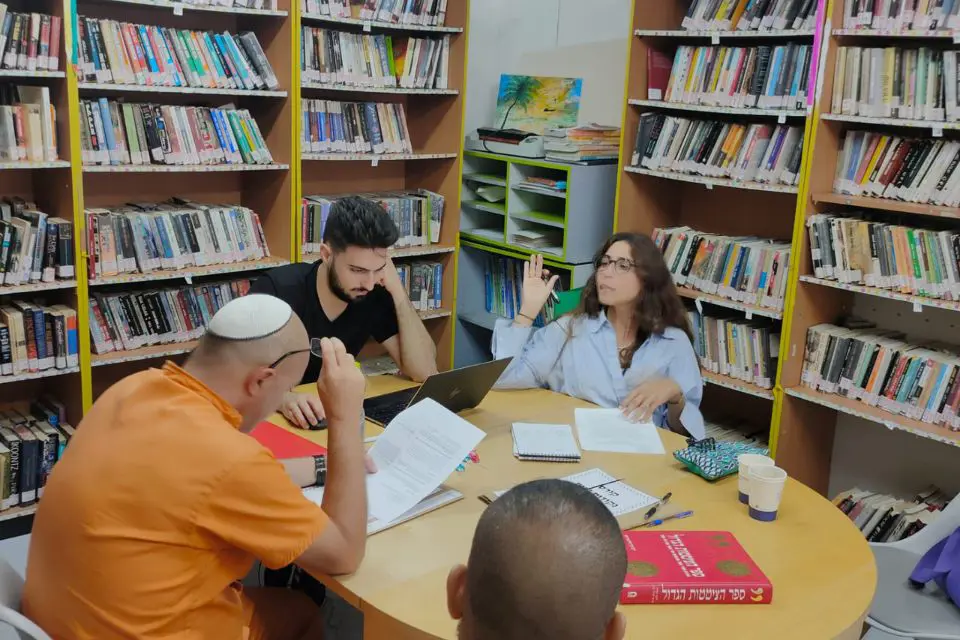
This program focuses on the rapidly growing area of social and economic rights, while developing participants’ critical thinking about the role of the justice system in their fulfillment. The program, which takes place in a workshop format, enables a unique encounter between university students and prisoners, who are both taking part in the course on equal footing as students. To facilitate deeper mutual acquaintance and not just an initial exposure to the “other,”, the number of places is limited and an emphasis is placed on discussion-based learning and the exchanging of views. The culmination of the process is a final team project, in which mixed teams of students and prisoners take part in several meetings during which they work together on a position paper on policy change focusing on one of the social rights studied. The basic premise of the workshop is that each of the populations (the prisoners and the students) has a unique perspective on social rights such as the right to live with dignity, the right to health, and the right to employment, which can contribute to more profound learning and a deeper familiarity between the groups.

Program details


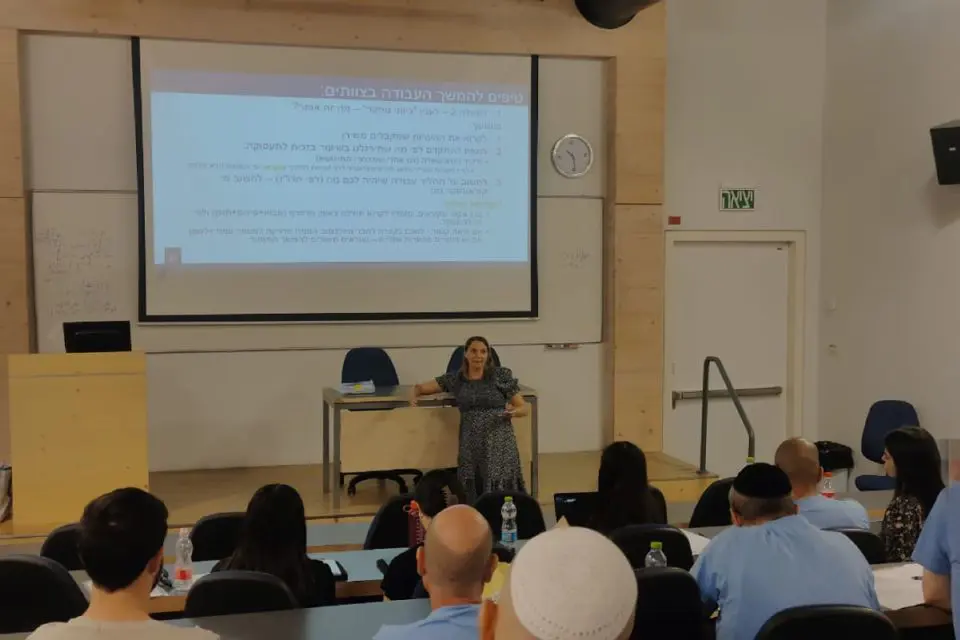
The program spans 6 weekly sessions of 4 academic hours, during the summer semester, within the prison walls*. In addition, the teams comprising students and prisoners are required to meet several more times following the summer semester to prepare the final project. The lessons and team meetings are scheduled in coordination with the Israel Prison Service and the program faculty, with the aim of some taking place at the university and some within the prison.

Suitable position papers are submitted to a committee of experts that chooses the paper with the greatest potential for effecting policy change, with the goal of asisting the participants who wish to do so continue advancing their proposals even after the completion of the course.

The program will award participants with 4 credits (as an elective law course).

Admission requirements: Admission to the course is conditional on completion of the screening process detailed in the call for applications published during the second semester, including a personal interview.

Pictures from the program

A unique collaboration with the Israel Prison Service

Pictures from the program

A unique collaboration with the Israel Prison Service

Pictures from the program

A unique collaboration with the Israel Prison Service

Pictures from the program

A unique collaboration with the Israel Prison Service

Pictures from the program

A unique collaboration with the Israel Prison Service

Pictures from the program

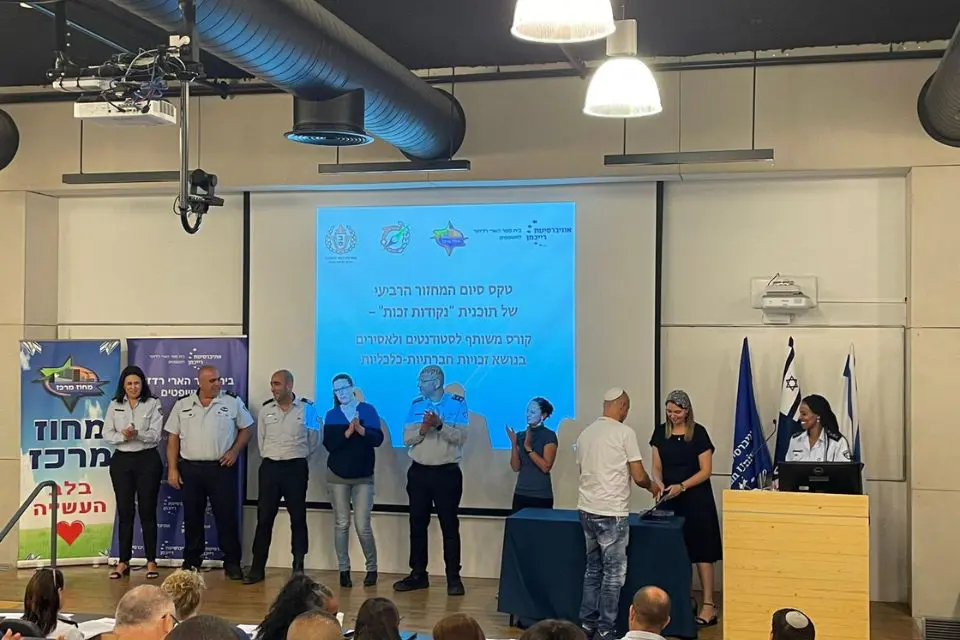
In October 2022, the law school held the graduation ceremony of the fourth cycle of the "credits" program.

Pictures from the program

In October 2022, the law school held the graduation ceremony of the fourth cycle of the "credits" program.

Pictures from the program

In October 2022, the law school held the graduation ceremony of the fourth cycle of the "credits" program.

In October 2024 the law school held a graduation ceremony for the sixth class of the “Nekudot Zchut” (Credit) program — a joint course for prisoners and students on social and economic rights led by Adv. Shiran Hason and Adv. Dana Goldian Barak.


As part of the course, its participants — about half inmates half students — submitted position papers that combine the unique perspectives of the prisoners and students for the purpose of effective policy change.


Each paper addressed a different social right, with a focus on rights during wartime. An expert committee selected the winning paper, which addressed housing rights and compensation for Druze homeowners affected by the war.

This paper received an award in memory of Gideon Derowe, a source of inspiration for the program, who fell in the War of Iron Swords.