About the Program
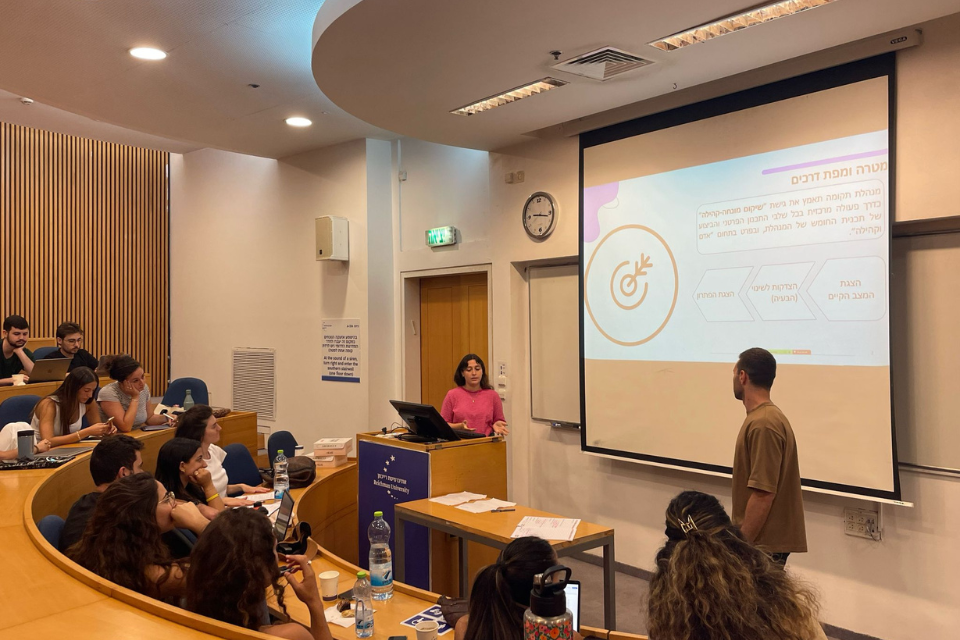
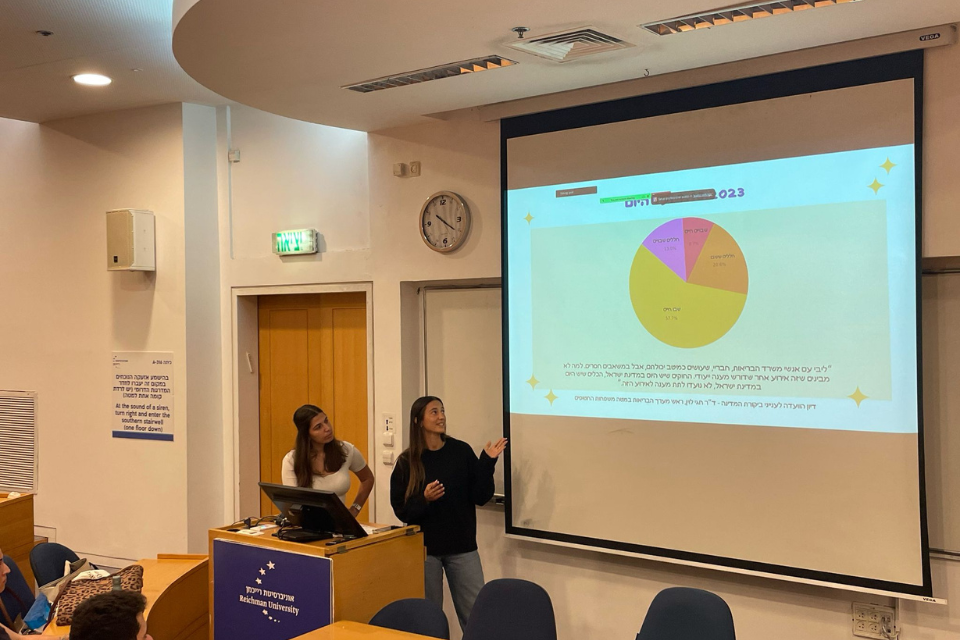
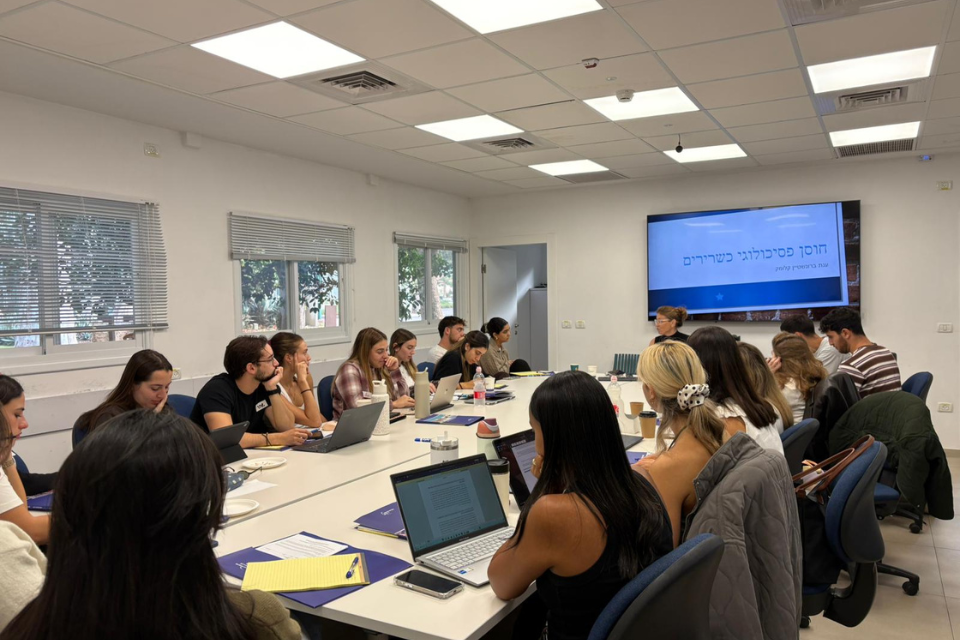
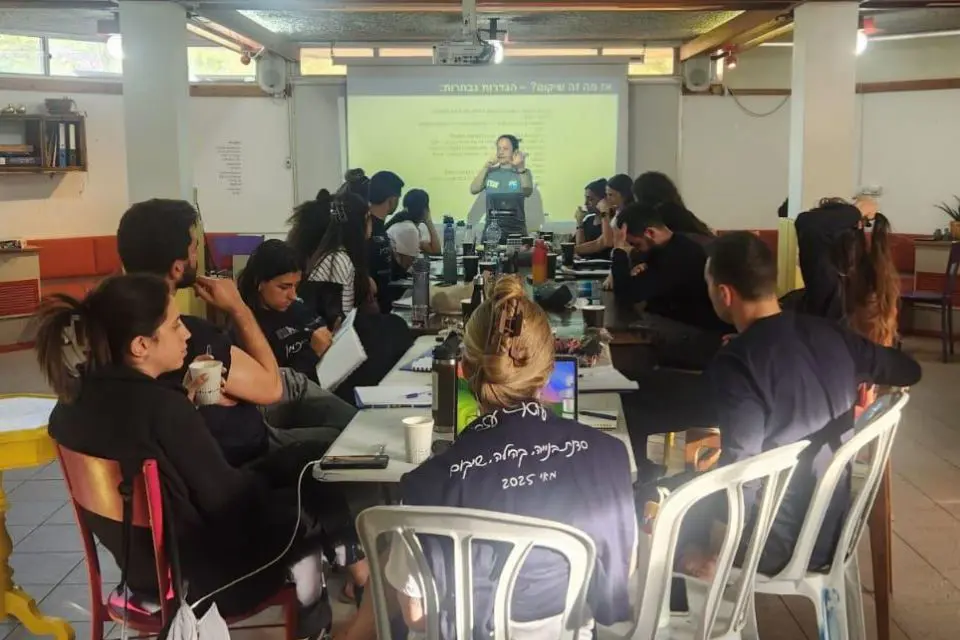
The workshop is built upon two mutually enriching pillars: Theoretical Learning and Practical Experience. Students gain a robust theoretical foundation in community rehabilitation, a field that has become an urgent national priority. The curriculum includes:
- Defining the New Reality: Analyzing terms that have become central to the Israeli discourse since October 7th, such as "rehabilitation," "community," and "communal resilience."
- Legal Frameworks: Examining the legal status of communities and the derivative rights thereof.
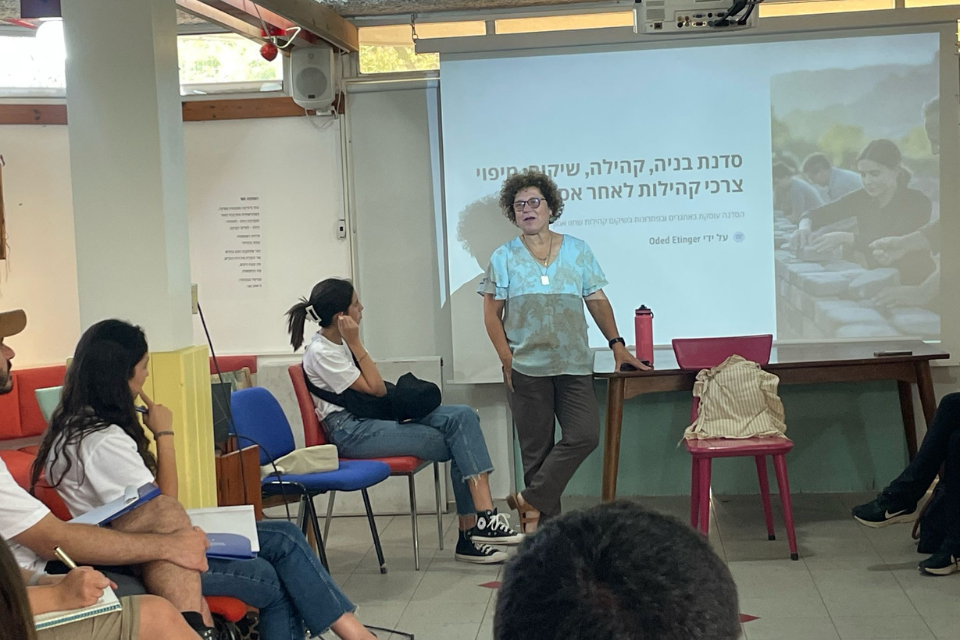
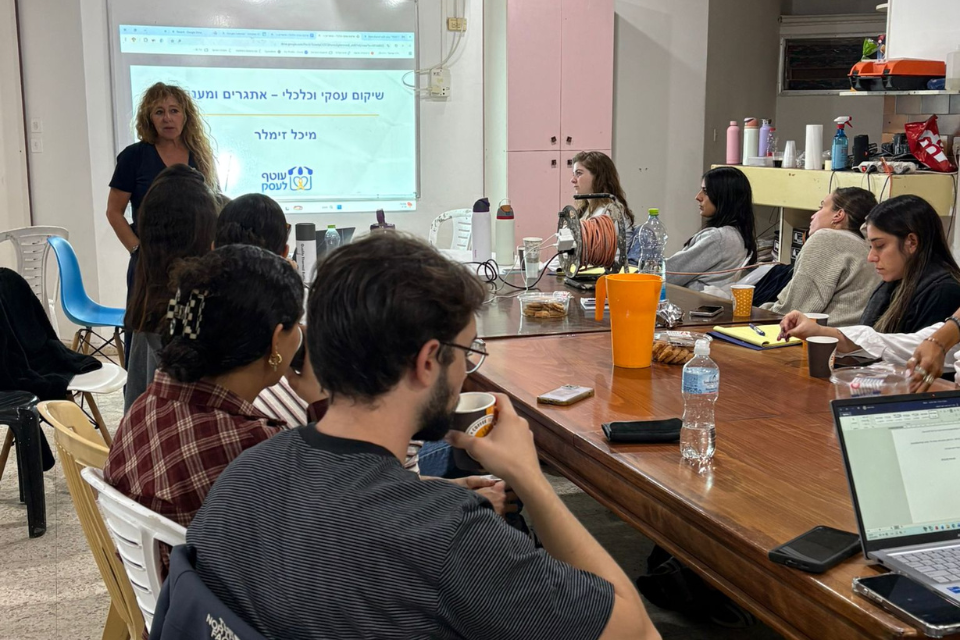
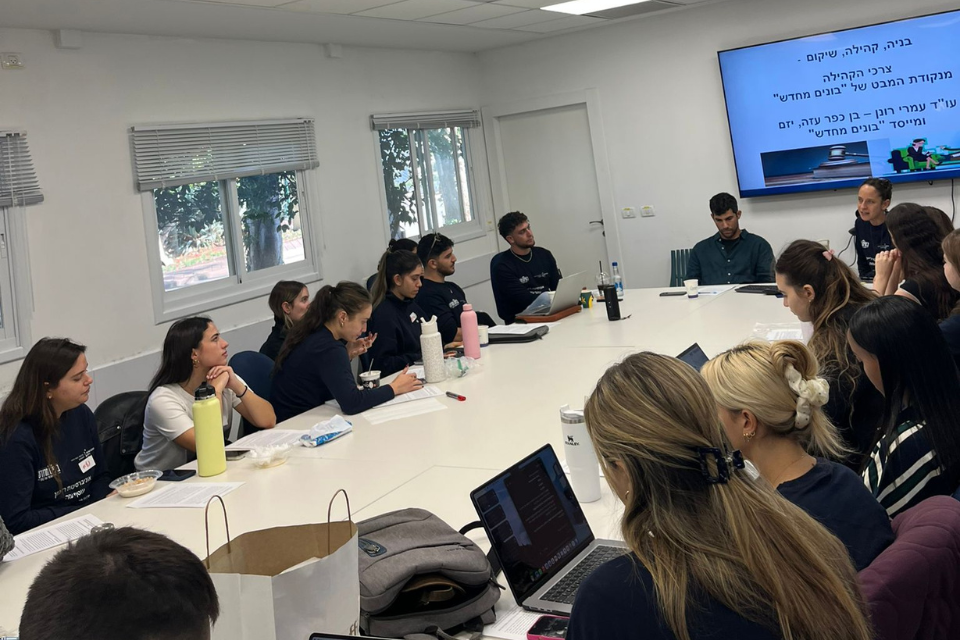
- Interdisciplinary Insights: Lectures from guest experts on psychological and philosophical approaches, alongside rehabilitation tools from diverse fields such as Communications and Economics.
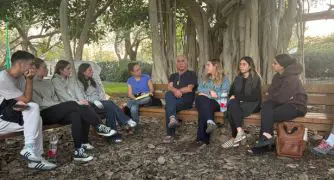
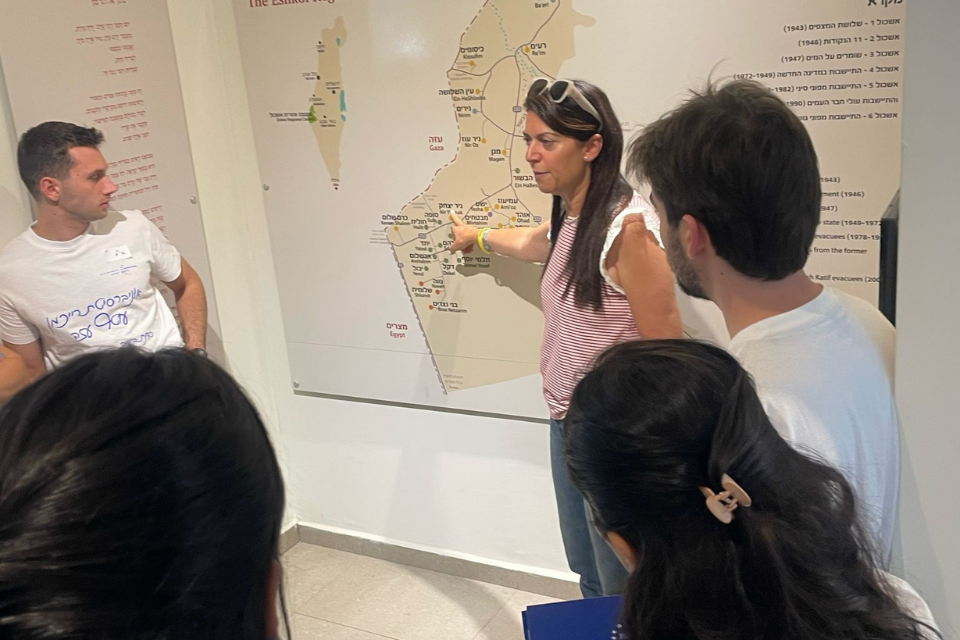
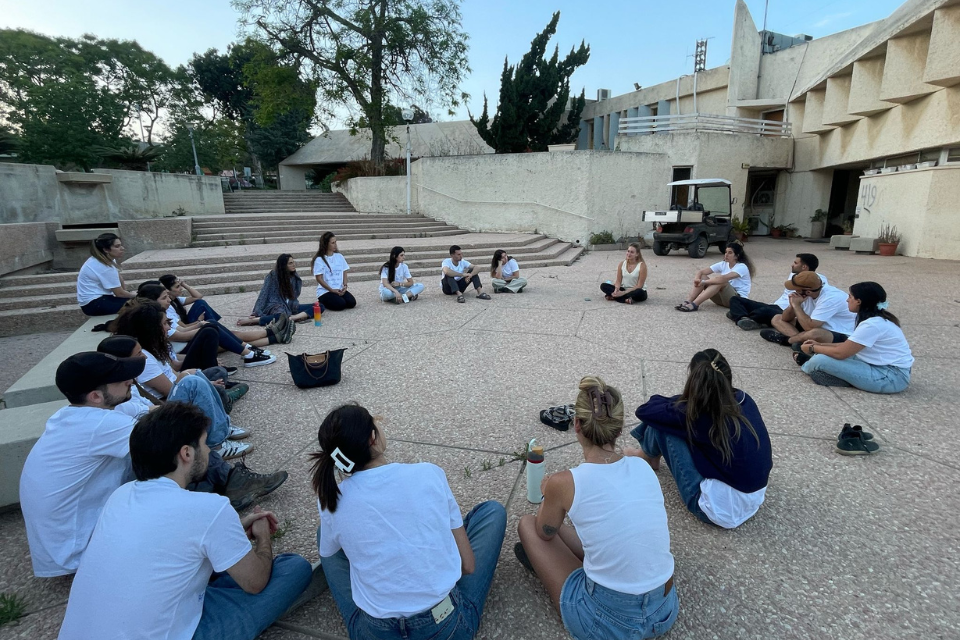
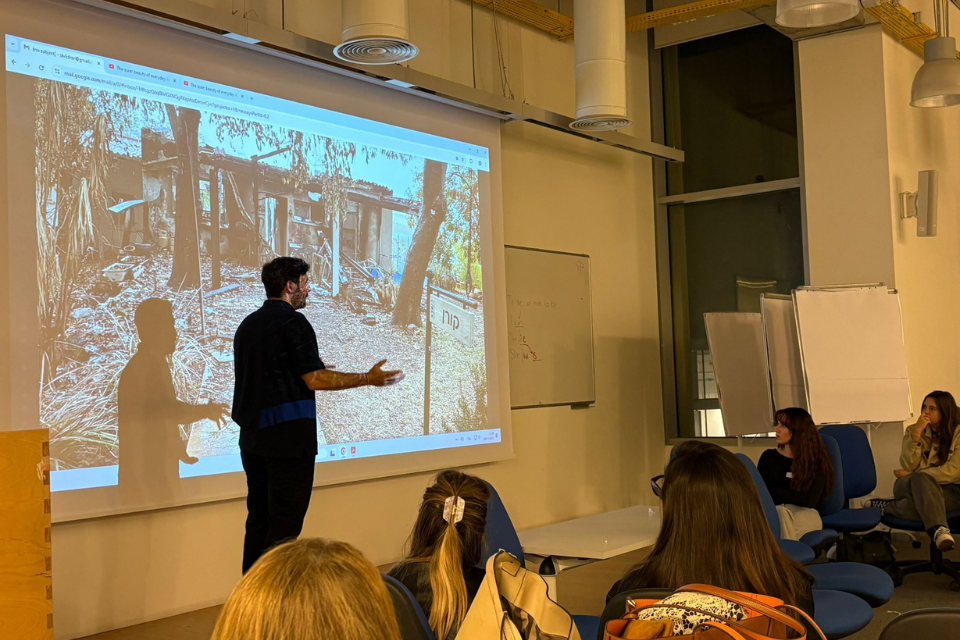
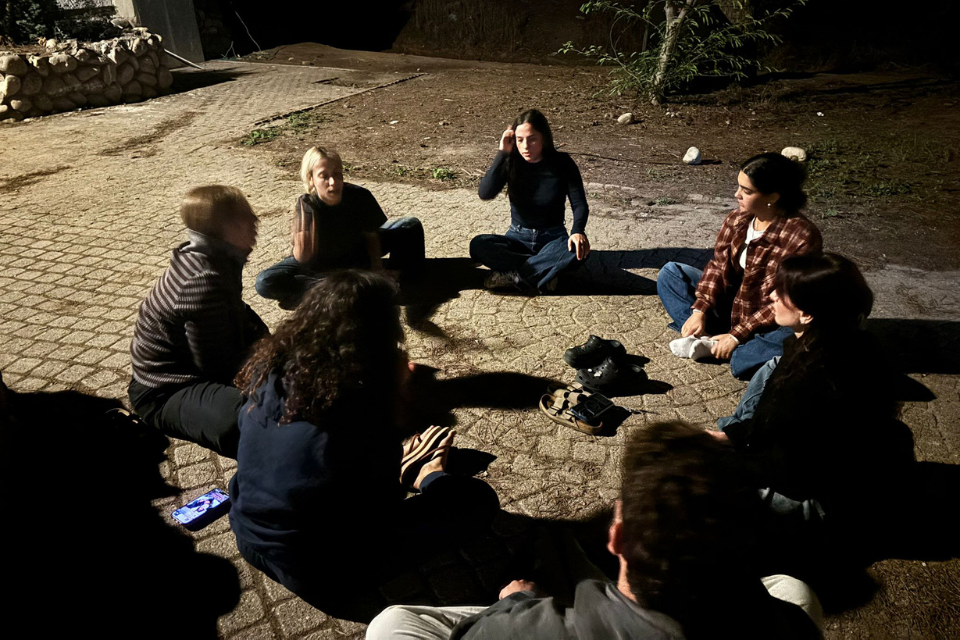
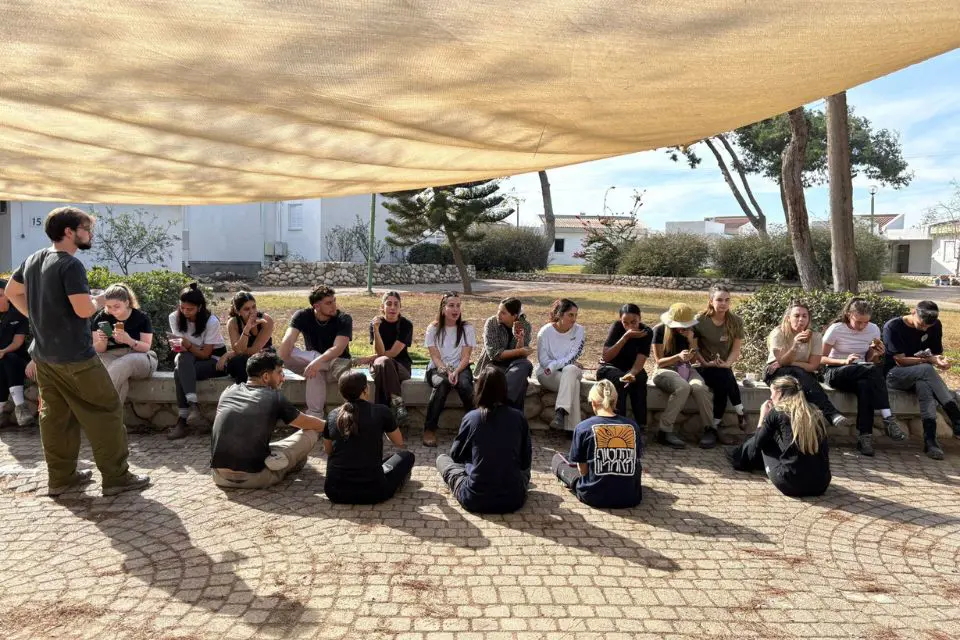
- Direct Engagement: Meetings with practitioners leading rehabilitation on the ground and members of the affected communities.
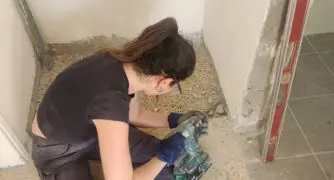
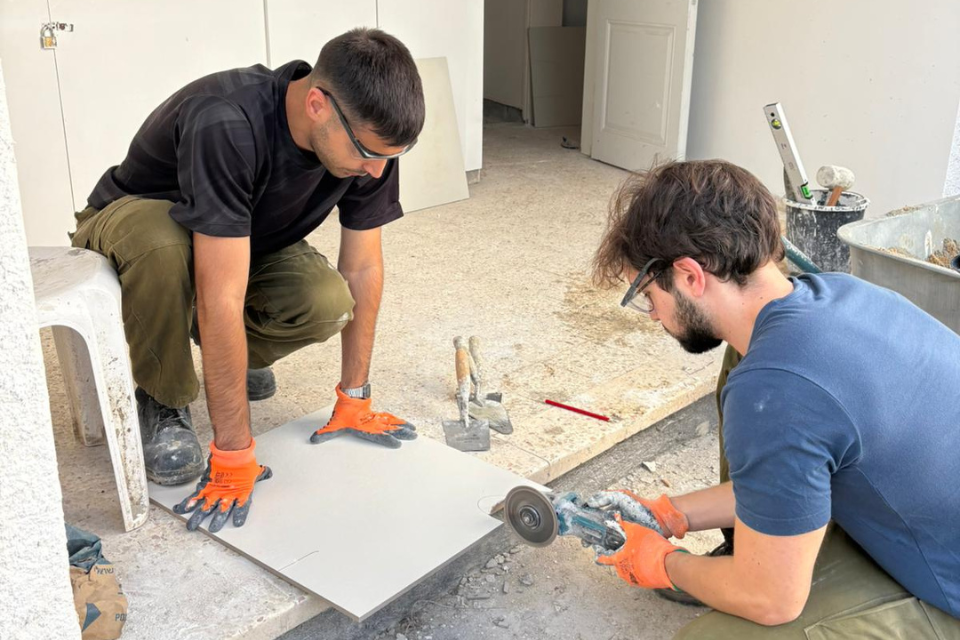
Complementing this, the workshop emphasizes hands-on learning. Students take an active part in the reconstruction of the Gaza envelope through our partners from the "Rebuilding" (Bonim Mehadash) organization. Based on this immersive experience, students are required to submit policy position papers aimed at advancing community rehabilitation.
This workshop is designed for committed students capable of dedicating themselves to an intensive week in field conditions, combining physical labor with rigorous academic study and a passion for policy-driven change.
The founding team includes Professor Lior Zemer, Dean of the Reichman University School of Law, who conceived and championed the initiative; Adv. Omri Ronen, head of the organization ReBuilders; Adv. Ziv Lidror, a doctoral researcher and clinical faculty member at Reichman University, born in the Western Negev; and Zohar Avraham, Head of the Dean’s Office, who played a pivotal role in shaping and leading the initial cohorts. Above all, this unique Workshop is indebted to the Kfar Aza community, which opened its doors to our students and to the students who joined us in taking this leap together.
Program Milestones
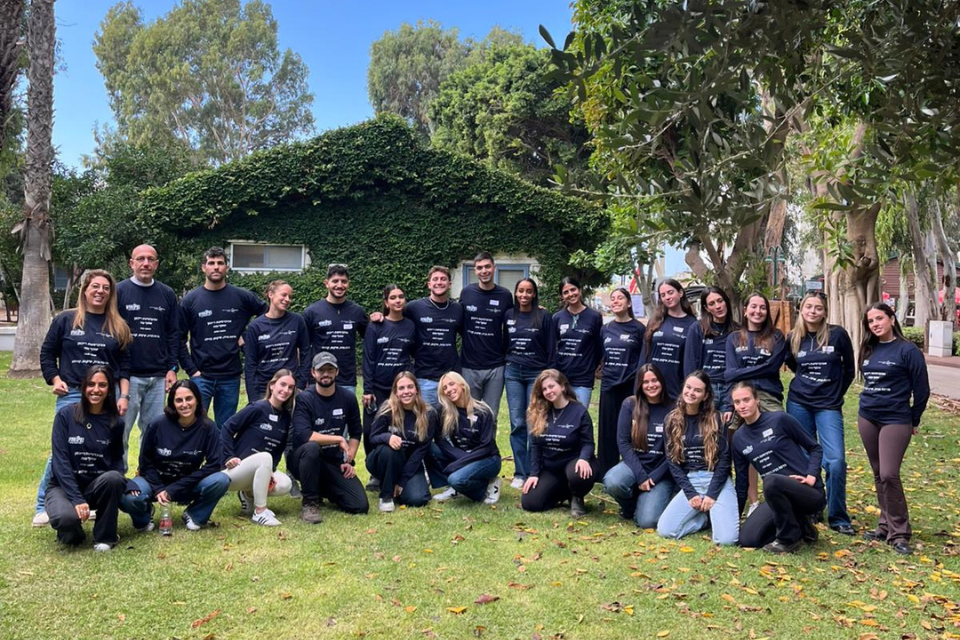
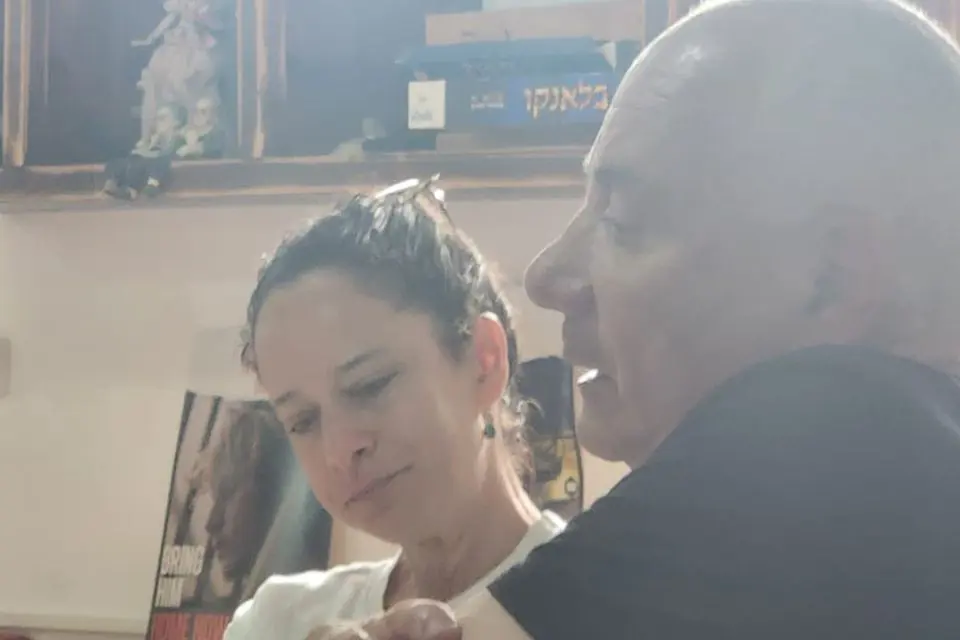
- The Pilot (May 2025): Launched in collaboration with Kibbutz Kfar Aza, this intensive 5-day program included 20 students from the Schools of Law and Psychology. As the pioneer group students began renovating the "Young Generation" neighborhood. Beyond physical labor, they engaged in direct dialogue with community leaders, including social worker Idit Ettinger, Adv. Zohar Shpak, Rehabilitation Manager Amir Ellenberg, and former Hamas hostage such as Luis Har. The resulting policy papers were presented to the kibbutz and key social stakeholders, led by the "Atid La'Otef" association.
- The Second Cohort: Conducted in close partnership with Kfar Aza, this cohort included Law and Communications students. The academic scope was expanded to include intensive campus learning days. In the field, students participated in the final stages of the neighborhood renovation started by the pilot Cohort. They met with figures from other communities, such Gadi Mozes, one of the founders of Kibbutz Nir Oz and former Hamas hostage, whose testimony instilled a deep sense of responsibility in the students as they formulated their operational policy papers. These papers addressed critical issues including urban planning, communal resilience, culture, and commemoration.
The Vision:
- The workshop is envisioned as a scalable and replicable model of community-based rehabilitation and policy-oriented learning. Initially implemented in communities of the Gaza Envelope, it is designed for future expansion to additional post-crisis communities, including those along the northern border.
- In future cohorts, we strive to integrate youngsters from the communities themselves as students in the course. Guided by the principle "Nothing about us without us," this integration serves as a vital step in their personal and communal rehabilitation process.
- An additional potential development of the program involves extending structured support beyond the course itself, such as post-course mentoring for the advancement of policy initiatives emerging from the fieldwork.
- As part of its long-term vision, the program seeks to develop mechanisms for assessing its impact—such as resilience-related questionnaires applied to both participants and host communities—in order to support learning, adaptation, and continuous improvement, while also contributing to the development of academic knowledge on personal resilience in post-crisis contexts.
** These future directions are inherently contingent upon the evolving needs of the communities involved and the resources available to the program.