


 Prof. Arnon Afek
“The Dina Recanati School of Medicine will be a world leader in the study of medicine, offering the most advanced learning environment. The establishment of Reichman University’s medical school was born out of a national need and the desire to create a curriculum adapted to technological developments and innovations.”
Accessibility menu
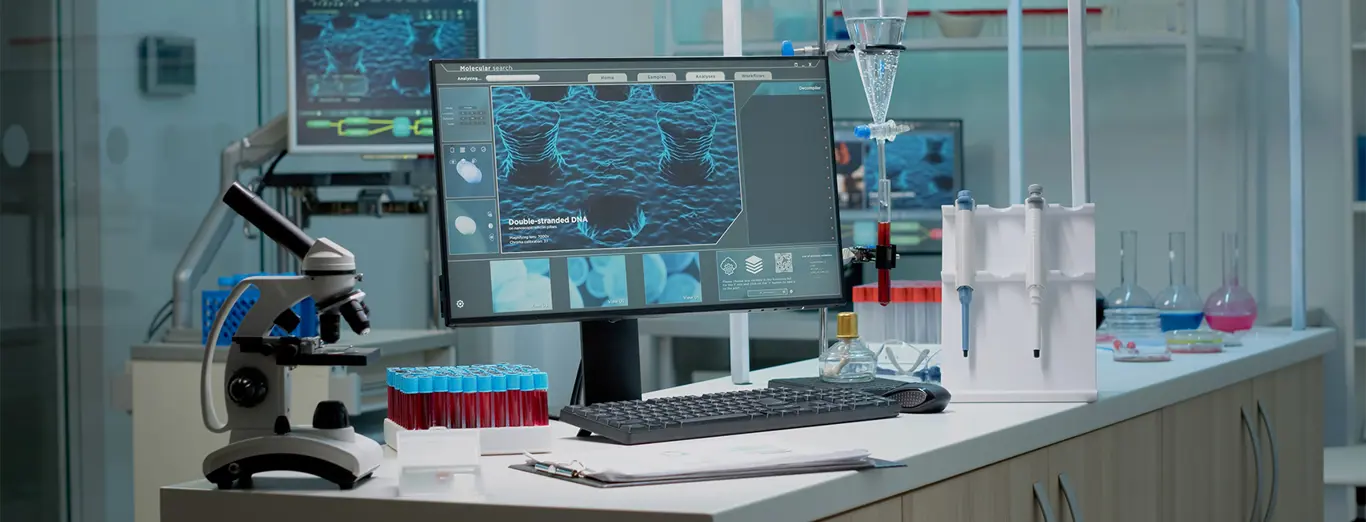
Dina Recanati School of Medicine
Four-year program for holders of undergraduate degrees Opening of the academic year: February 2025
Dina Recanati School of Medicine


The increasing shortage of doctors is placing the field of medicine in Israel in real danger and demands a quick response. To help provide a solution to this shortage and immediately increase the number of medical students in Israel, Reichman University joined forces with Israel’s top medical institutions: Rabin Medical Center, Clalit Health Services, Maccabi Healthcare Services, and Sheba Medical Center at Tel Hashomer.
The school will serve as a global model for educating future physicians in a manner that is professional, innovative, multidisciplinary and personal.
The Council for Higher Education has approved the launch of the program. The granting of the degree will be contingent upon its final authorization.
Our Partners

Clalit Health Services

Maccabi Healthcare Services

Sheba Medical Center at Tel Hashomer

Rabin Medical Center
The Edmond and Lily Safra Children's Hospital
Schneider Children's Medical Center of Israel
The current situation in Israel
-
A critical shortage of physicians
There is a major shortage of doctors in Israel today, especially in the periphery, which will reach a nadir in 2026. Currently, about 2,000 doctors are needed per year (according to data from the State Comptroller, the Gamzu Committee, and the Ministry of Health). In practice, only about 40% of this number are licensed as doctors each year, which has created a serious dearth of physicians in the healthcare system, most keenly felt in the Israeli periphery.
-
Most doctors are forced to study abroad
The number of available places in medical programs in Israeli universities is still very limited. Thus, a situation has arisen in which 80% of today’s medical students come from the top three deciles of the Israeli population (The Marker, February 24, 2022). The rest, about 70% of the doctors in Israel, received their training abroad. Alongside the excellent medical schools operating around the world, there are also those with very low standards, offering their students only minimal clinical training. Such schools were disqualified by the Yatziv reform. As a result, a dramatic decrease is expected in the number of new license recipients in the coming years.
-
Outdated curricula
The universities medical school curricula have not been adapted to technological developments and innovations. In January 2002, a report by the Israeli Council for Higher Education (CHE) stated: “There is a very good chance that some of what is currently being taught in medical schools will soon no longer be relevant in medical treatment.” The CHE recommended revolutionizing the curriculum so that it incorporates much more practical experience and advanced teaching methods.
Key features of the School of Medicine at Reichman University

Small-group learning
In dedicated classrooms and an innovative learning environment

Innovative medical education
Incorporating simulations, virtual reality, AI, and more

Entrepreneurship, excellence, and personal growth
Personal mentoring by leaders in the Israeli healthcare system

Excellence in interdisciplinary research
Advanced laboratories in a variety of fields

Clinical training in the community
From the very first week, in Israel’s premier healthcare organizations
Everything you wanted to know about the MD degree
-
The medical school offers a four-year program.
In the first and second years of the program, the paraclinical years, students will learn:
- First year — the structure and normal functioning of the human body, along with an introduction to the theory of diseases
- Second year — the theory of diseases, organized by body systems
In the third and fourth years, the clinical years, students will acquire knowledge and skills in the mandatory subjects (internal medicine, pediatrics, surgery, obstetrics and gynecology, psychiatry, neurology, emergency medicine and family medicine), which will be taught wherever the patients are based — in hospitals, the community, home hospitalizations, and even through telemedicine.
-
The program is designed for individuals holding undergraduate degrees in various fields who meet the requirements set by the Ministry of Health, the Council for Higher Education, and the Dina Recanati School of Medicine. Applicants must complete the required core courses to be eligible for admission. To support this, Reichman University has established a Life Sciences Division, enabling graduates from diverse academic backgrounds to complete the seven core courses needed for eligibility.
-
The Dina Recanati School of Medicine offers an advanced, interdisciplinary approach to medical education, designed to fulfill its mission of training the doctors of the future.
The program places a special emphasis on providing freedom for creative thinking that breaks boundaries and conventions. Students will learn in an interdisciplinary classroom, composed of graduates with diverse academic backgrounds, within a scientific and innovative learning environment. They will receive leadership training from prominent figures from Israel’s leading healthcare institutions — Rabin Medical Center, Schneider Children’s Medical Center of Israel, Sheba Medical Center, the Edmond and Lily Safra Children’s Hospital, Maccabi Healthcare Services, and Clalit Health Services. The goal is to empower students to pursue their passions while encouraging excellence, entrepreneurship, and personal growth.
-
• Innovative and advanced teaching methods
• Expert faculty — doctors teaching doctors
• Unique collaboration with Israel’s leading medical institutions - Rabin Medical Center, Schneider Children’s Medical Center of Israel, Sheba Medical Center, the Edmond and Lily Safra Children’s Hospital, Maccabi Healthcare Services, and Clalit Health Services.
• Clinical teaching in the community, starting from the first week of studies
• Personalized, interdisciplinary learning in small groups
• Advanced learning infrastructure
• Networking opportunities and student support
• Engaging student activities
-
To help provide a solution to the current shortage of doctors in Israel and immediately increase the number of medical students in Israel, Reichman University joined forces with Israel’s top medical institutions: Rabin Medical Center, Schneider Children’s Medical Center of Israel, Sheba Medical Center, the Edmond and Lily Safra Children’s Hospital, Clalit Health Services, and Maccabi Healthcare Services.
-
At Reichman University, teaching is a top priority. The faculty of the Dina Recanati School of Medicine features both young doctors who excel in innovative medical education as well as seasoned physicians who are senior leaders in Israel’s healthcare system. The faculty is led by Prof. Arnon Afek, dean of the school, who, together with doctors from Israel’s top medical centers, will guide students through the two paraclinical years and the clinical training in hospitals and community settings. In addition, Reichman University’s top-tier lecturers and researchers, including faculty members from the fields of entrepreneurship, biotech, technological innovation, and leadership, will enrich the medical students’ curriculum.
-
Admission to the medical program at Reichman University will be determined based on the following criteria: undergraduate or graduate GPA from an institution recognized by the Council for Higher Education; performance in core life science courses; knowledge assessment scores; and personal interviews.
-
Join us to learn about the innovative curriculum at the Dina Recanati School of Medicine and hear all about its teaching program and advanced learning environment. Meet the academic staff and the registration and admissions team, who will provide answers to all your questions and help you make the best decision for your future.