Thesis Track

The thesis track is designed for students with a strong passion for research and innovation. Thesis topics are shaped collaboratively by students and advisors, based on shared research interests. Applications to the thesis track is open to all students during the first semester, under certain conditions.

Thesis Process Overview:


  • Thesis students research the design, implementation, and evaluation of a novel technology, drawing on established HCI design and evaluation methodologies. The research includes in-depth theoretical grounding and evaluation of existing technologies, originating either from ongoing lab research or through collaboration with industry partners.


  • All thesis students complete their research in the format of an academic paper, including motivation, theoretical background, related work, system design and implementation, research methodology, findings, discussion, and conclusions. Students are encouraged to submit their final paper to leading international HCI conferences, under the guidance of their thesis advisor.


  • Thesis research is conducted during the degree and extended to the following years. Students join a research lab, participate in lab activities and bi-weekly meetings, meet regularly with their advisor, and work independently towards completing their written thesis or academic paper.

Examples of Thesis projects:

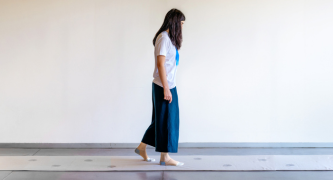
  • The Walking Meditation Mat


    This project explores how targeted heat sensation shapes attention during walking meditation, highlighting the interplay between external design and the internal meditation experience. Thesis Student: Tamar Dublin, Supervisor: Prof. Oren Zuckerman

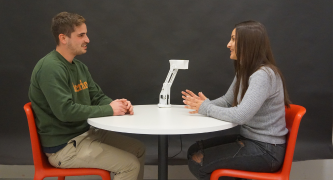
  • AI Bias in HRI


    This project explores how biased behavior of a simple, non-humanoid robot shapes social judgments, highlighting algorithmic bias in HRI and counter-biased robotic interventions potential. Thesis Student: Tom Hitron, Supervisor: Prof. Hadas Erel & Dr. Noa Morag

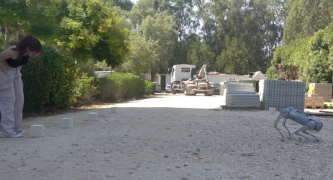
  • Social Comparison in HRI


    This project explores how performing a task alongside a robotic dog shapes self-esteem and self-efficacy, highlighting the psychological impact of upward and downward comparison in HRI. Thesis Student: Gal Yaar, Supervisor: Prof. Hadas Erel

  • Embracing Motherhood Moments


    This project explores how interactive design supports mindful reflection in early motherhood, highlighting the role of tangible experiences in strengthening emotional awareness and maternal wellbeing. Thesis Student: May Recanati, Supervisor: Prof. Oren Zuckerman

The program's Thesis advisers and their relevant research domains:


  • Prof. Hadas Erel: Human-Robot interaction, Dark patterns in HRI, Non-Humanoid Robotic Objects, Social-Emotional impact of interactions with robots. Google Scholar Profile


Mandatory Thesis courses include:


  • All required program courses.


  • Thesis Seminar (2 credits): The Thesis Seminar takes place during Semester B and the summer, and is led by the Head of the Thesis Committee, the Head of the Program, and individual thesis advisors. The seminar covers advanced research methods, academic writing, formulation of research questions, publication strategies, and critical review of existing HCI papers and thesis projects. By the end of the seminar, students submit a thesis proposal, prepared in collaboration with their advisor and in accordance with formal guidelines.


  • Quantitative HCI Research Methods (2 credits), with Prof. Hadas Erel.  


  • The Thesis research course (8 credits), which is the independent thesis work towards the final thesis submission.


Student Acceptance


Eligibility requirements:


- Undergraduate studies: An average grade of 87 or above. 


- MA Semester A: An average grade of 85 or above.
* special cases may be considered.


Selection process:


- All eligible applicants will be invited to a meeting with the thesis faculty, during which thesis advisors present their research areas. Following this meeting, students may apply to one advisor of their choice by submitting a thesis application letter.


- Advisors review applications and may invite candidates to a personal interview. Based on this process, advisors decide whether to accept or decline applicants. After the first round of selections, advisors will announce whether they are able to accept additional students. Applicants who are not accepted in the first round may choose to apply to another advisor, subject to availability.


- Admission to the thesis track is not guaranteed and depends on a successful match between the student and advisor in a given year. Students who are not accepted by any advisor cannot join the thesis track that year, but may choose to reapply in the following year after graduation.


Trial period:


The first three months of the thesis process serve as a trial period, during which both the student and the advisor may confirm or withdraw from their commitment to the thesis track.


For more information click here