


What I Thought Were Just School Questions
By Tamir Sida, 2nd year student, Computer Science & Entrepreneurship (RRIS)
Earlier this year, I was invited to join the staff of Version Bravo as the Community Manager. I didn’t fully know what I was stepping into — but quickly realized this was a unique opportunity.
Version Bravo is a unique entrepreneurship accelerator that brings together elite veterans from the US Navy SEALs and Israel’s Shayetet-13, all of whom are early-stage startup CEOs. The program helps them take their ventures to the next level through hands-on training, investor access, and global mentorship. It runs across ten weeks: two weeks in Tel Aviv, followed by six weeks of online sessions, and two final weeks in California.
During the Tel Aviv phase, I had the opportunity to sit in every workshop, interact with the team, and get to know the participants. Since my role was to help build the alumni community, I felt it was important to first understand the program from the inside. I expected to stay mostly on the sidelines — more of a bystander than an active participant… But as I began engaging with the founders, I naturally found myself asking questions and offering feedback.
That’s when something unexpected happened. I started hearing real startup CEOs struggling to answer what I had always thought were “school questions”. Things like: How do you structure a strong UVP? What does the right MVP look like for this audience? When — and how — do you even frame the Design Question? I had once seen those concepts as theoretical — useful for assignments, maybe — but not something that would show up around real startup decision-making. And suddenly, I saw just how essential they actually were.
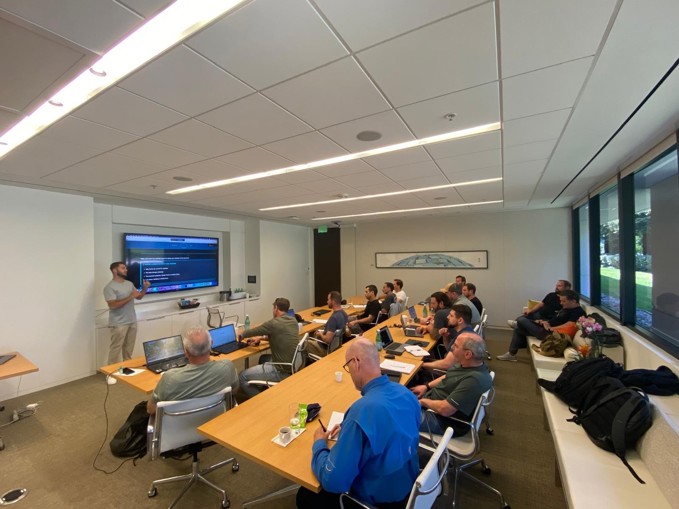
The Version Bravo staff took notice. They saw how quickly those conversations became valuable to the founders and immediately asked me to extend my role. I was invited to join the California phase of the program — not just to observe, but to lead. I delivered a workshop on AI, MVP development, and no-code web tools. That workshop became a turning point for me: it allowed me to operate at the exact intersection of my two worlds — Computer Science and Entrepreneurship — and apply both to real, high-stakes business challenges.
What started as a single session turned into a full mentorship track. I ended up helping over 10 CEOs refine their MVPs, polish their market strategies, and think more critically about the core assumptions behind their products.
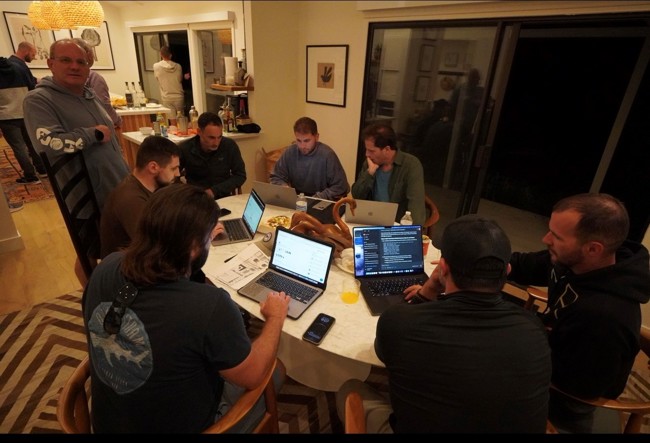
This experience reshaped the way I view everything I’ve learned. The knowledge wasn’t just relevant — it was needed. And I’m proud to say: I didn’t just apply it — I helped others do the same.