




A new study by Dr. Yossi Maaravi and his research partners, Under the title:
Inclusion and exclusion in gaming communities: a systematic review and future directions to increase inclusivity
shows a full space:
Argaman, Y., Gur, T., Heller, B., & Maaravi, Y. (2026). Inclusion and exclusion in gaming communities: A systematic review and future directions to increase inclusivity. Frontiers in Psychology, 17, Article 1796305.
A new systematic review of 100 studies points to a central paradox in the gaming world: one of the most open and social digital spaces may reproduce and even intensify exclusion, stereotypes, and discrimination, but also offer a new model for building inclusive digital communities.
The gaming world has long been more than just entertainment. With billions of players worldwide, platforms like Discord, Twitch And massively multiplayer games have made gaming one of the most influential social, cultural, and technological arenas of our time. But behind the promise of an open, equitable, and accessible space for all, lies a more complex reality.
In a new article published in Frontiers in Psychology, Dr. Yossi Maravi of the Adelson School of Entrepreneurship at Reichman University, along with Yiftach Argaman, Dr. Tamar Gur, and Ben Heller, present a systematic review of 100 articles from recent years that address inclusion and exclusion in gaming communities. The article shows how women, ethnic minorities, and LGBT+ players often experience underrepresentation, stereotyping, harassment, offensive discourse, and barriers to full participation in gaming communities.
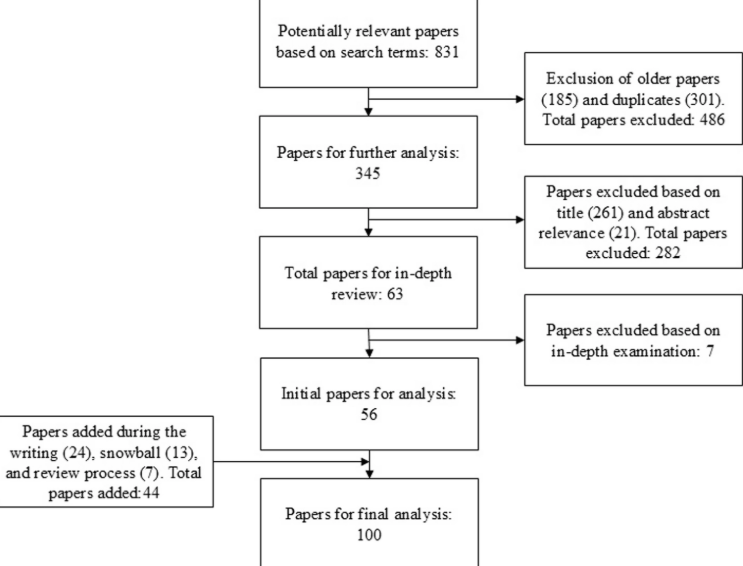
The review suggests that exclusion does not stem solely from the behavior of individual players, but also from deeper structures: character and avatar design, community norms, governance and moderation mechanisms, algorithms, game company policies, and the lack of adequate regulation. Alongside this, the article suggests practical directions for change: more inclusive game design, diversity in development teams, creating safe spaces for disadvantaged groups, better reporting and enforcement systems, responsible use of algorithms, and collaborations between researchers, entrepreneurs, game companies, regulators, and community leaders.
The importance of the article extends beyond the world of gaming. For entrepreneurs, product managers, digital community developers, and technology companies, it offers a broader insight: true innovation is not about advanced technology, but also about the ability to design digital spaces where people feel included, safe, and represented. In this sense, gaming communities are a living laboratory for understanding the challenges and opportunities of socio-technological entrepreneurship in the digital age.