




Article by Prof. Tamar Elmor and Prof. Miri Lerner, under the title:
Relationships among Strategic Capabilities and the Performance of Women‐Owned Small Ventures
Cite article:
Lerner, M., & Almor, T. (2002). Relationships among strategic capabilities and the performance of women‐owned small ventures. Journal of small business management, 40(2), 109-125.
The article explores the links between the strategic capabilities of women-owned small businesses and business performance. Previous studies in this field have shown a mixed picture of what really influences the success of small businesses, especially those run by women. This study attempts to understand more thoroughly which capabilities and skills of the business owner are related to business performance - that is, what makes a small business more successful in terms of profits and growth.
The study is based on the Resource-Based View, according to which business success depends on the ability of the organization to utilize the resources and skills it has better than those of its competitors. The central question: Do and how do the management skills, marketing skills and financial skills of the business owner affect business performance?
The researchers examined 220 small businesses in Israel owned by women, each of which is defined as a lifestyle venture (a business designed around a lifestyle and not necessarily for rapid growth).
The information was collected through questionnaires and business performance indicators, and statistically analyzed to identify relationships between various variables, such as: the business owner's managerial skills, the business's marketing capabilities and financial sources, the business owner's self-assessment of her strengths and weaknesses, the business's performance indicators (profitability, growth, stability, etc.), the analyses included correlation tests between the variables, which means they examined the extent to which certain variables "move together" or influence each other.
Key findings of the study
Positive relationship between skills and achievements - It was found that there is a positive correlation between the business owner's strategic capabilities and the business's performance. That is, the higher the owners assessed their capabilities, the better the business tended to perform.
Gap between self-assessment and reality - Paradoxically, the business owners rated the business's capabilities and resources as weak in areas that were found to be important for good performance. That is, these are areas that were considered important for success (such as marketing, financial management), but the business owners assessed themselves as weak in them. This indicates a gap between what is actually important and how the business owners perceive their abilities.
The impact of skills on economic performance - managerial, marketing and financial skills were found to be more related to achievements than creative or innovative skills. In other words, innovation did not appear to have a strong impact on the performance aspects examined.
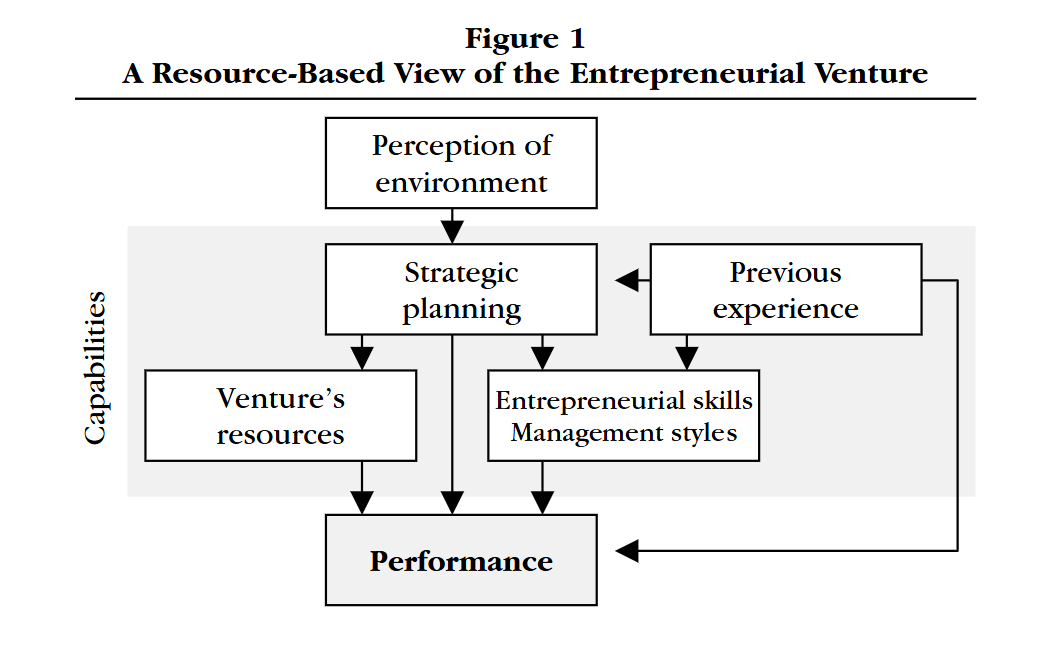
The study highlights an interesting point: the success of small businesses owned by women does not depend only on good ideas or innovation, but more on the ability to manage existing resources effectively, especially in the areas of marketing, finance and ongoing management.
The relatively low self-esteem of business owners regarding these abilities can also hinder their tendency to invest in these areas, even though they significantly affect performance.
For small businesses owned by women, their success is less related to innovation and more to management, marketing and financial skills. However, business owners themselves tend to rate their abilities in these areas as low, which may be an obstacle to business success. The findings highlight the importance of better understanding the real capabilities that drive positive performance and the need to improve the assessment and implementation of these skills in small businesses.