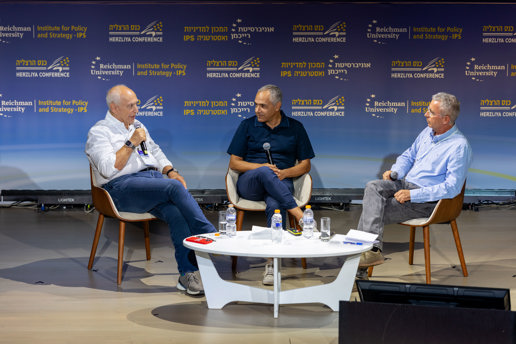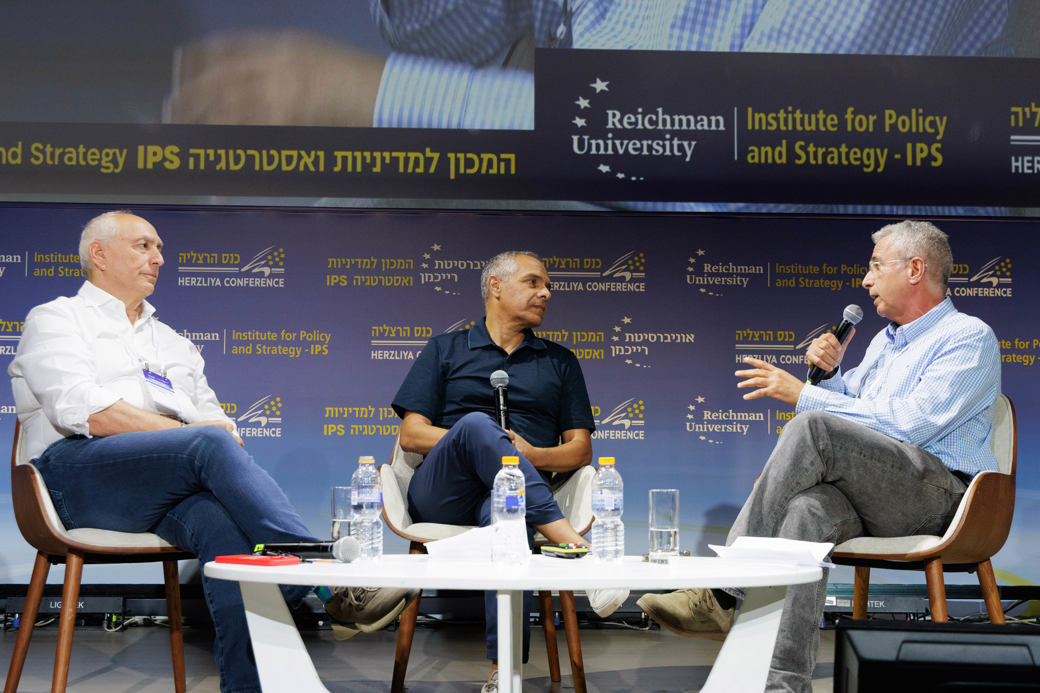


On Wednesday, July 01, 2026, As part of the Herzliya Conference, the Arison ESG Center convened a panel examining the role of the business sector in safeguarding the resilience of Israeli democracy
Accessibility menu
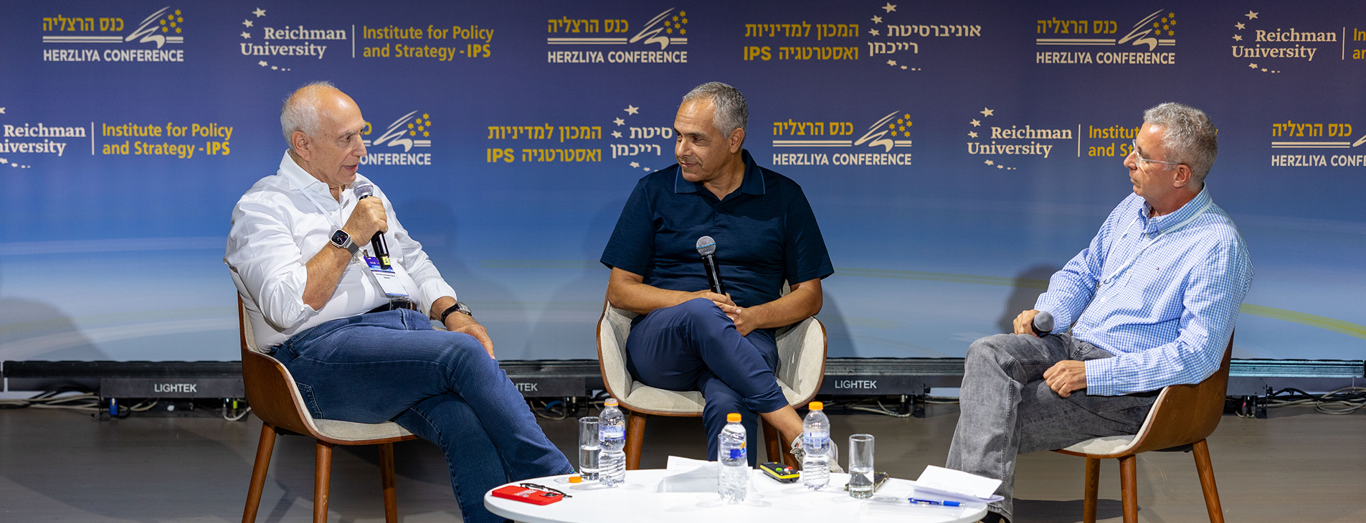
Panel: “The Business Sector — A Pillar of Israeli Democracy”
Panel: “The Business Sector — A Pillar of Israeli Democracy”
 Panel recording
 Key insights and recommendations
As part of the Herzliya Conference, the Arison ESG Center convened a panel examining the role of the business sector in safeguarding the resilience of Israeli democracy. The panel was chaired by Prof. Niron Hashai, Chair of the Center and Dean of the Arison School of Business, and featured entrepreneur Chemi Peres and Sami Peretz, Editor of TheMarker.
At the heart of the discussion was the question of whether the involvement of companies and business leaders in public and democratic affairs constitutes a departure from the traditional role of the business sector, or whether it is an integral part of its responsibility and long-term interests. The participants emphasized that a stable democracy, strong public institutions, transparency, the rule of law, and effective checks and balances are not only important public values, but also essential conditions for sound business activity, investment, economic growth, and the reduction of corruption.
The panel also presented research findings indicating a relationship between the quality of democratic institutions and economic performance. According to these findings, countries experiencing democratic erosion may also face weaker economic growth and investment, declining exports, and a weakening of the domestic business sector. In the Israeli context, particular emphasis was placed on the strong links between the high-tech industry and international markets, talent, and capital. These links make institutional stability and investor confidence essential components of the industry’s resilience.
The discussion also addressed the practical challenges facing business leaders and companies: under what circumstances should the business sector speak out? What tools are available beyond public statements or the suspension of business activity? And how can companies act responsibly while balancing business interests, public responsibility, and compliance with the law?
The panel demonstrated that the relationship between business, government, and society is not external to the business world. Rather, it is a central part of the broader discussion concerning corporate responsibility, sustainability, and economic and social resilience.